What scent do rats hate?
Rats may avoid an unfamiliar smell briefly, but a strong scent is not a dependable way to remove an established infestation. If you are considering peppermint oil, ammonia or mothballs for a home in Charleston or Hilton Head, the more useful question is what will stop rats from reaching food, shelter and entry openings after the smell fades.
Metro Wildlife and Pest Control provides rat removal and exclusion services. An inspection can help identify the activity and the work needed at your property. A fragrance cannot tell you which openings are being used or whether rats remain inside.

Do peppermint oil and other strong smells repel rats?
The University of California Statewide IPM Program’s rat guidance explains that rats can initially avoid some odors and tastes, but repellents do not solve a rat problem for more than a short time. That distinction matters: an animal avoiding one scented spot is not the same as removing the population or keeping the building secure.
Do not use peppermint cotton balls as proof that an attic, kitchen or crawlspace is clear. A change in where you hear activity may simply change what you notice. If you have already tried a scent product, tell the inspector what you used and where. Avoid adding more products while guessing whether the first one worked.
Why mothballs and homemade ammonia sprays are not the answer
Mothballs are pesticides, not general-purpose wildlife repellents. The National Pesticide Information Center explains that they release toxic gas and are intended for use in closed, airtight containers as directed by their labels. Placing them out in an attic, crawlspace, yard or other open area can expose people, pets and wildlife to the chemicals. Keeping them out of reach is not a substitute for correct use.
Do not scatter mothballs around the house to chase rats away. Do not make an ammonia-and-detergent mixture as a rat repellent. Household cleaning products should be used only as directed, not combined into a homemade pest treatment. The strength of a smell does not show that it is safe or effective.
If a product has already been placed in the affected space, keep its container and label available for the professional who evaluates the situation. Do not add another chemical to mask the smell. Questions about pesticide exposure or cleanup belong with the appropriate health or pesticide-information professional rather than trial-and-error treatments.
What to do instead of trying another scent
The EPA’s rodent-prevention guidance emphasizes reducing food, water and shelter and addressing openings into the building. These are practical starting points, not a promise that one housekeeping change will end an infestation.
- Keep garbage in containers with secure lids and avoid leaving accessible food around the home.
- Look at outdoor food sources, including spilled bird feed, rather than focusing only on the room where you heard a noise.
- Note damaged food packaging, nesting material or suspected entry openings from places you can safely access.
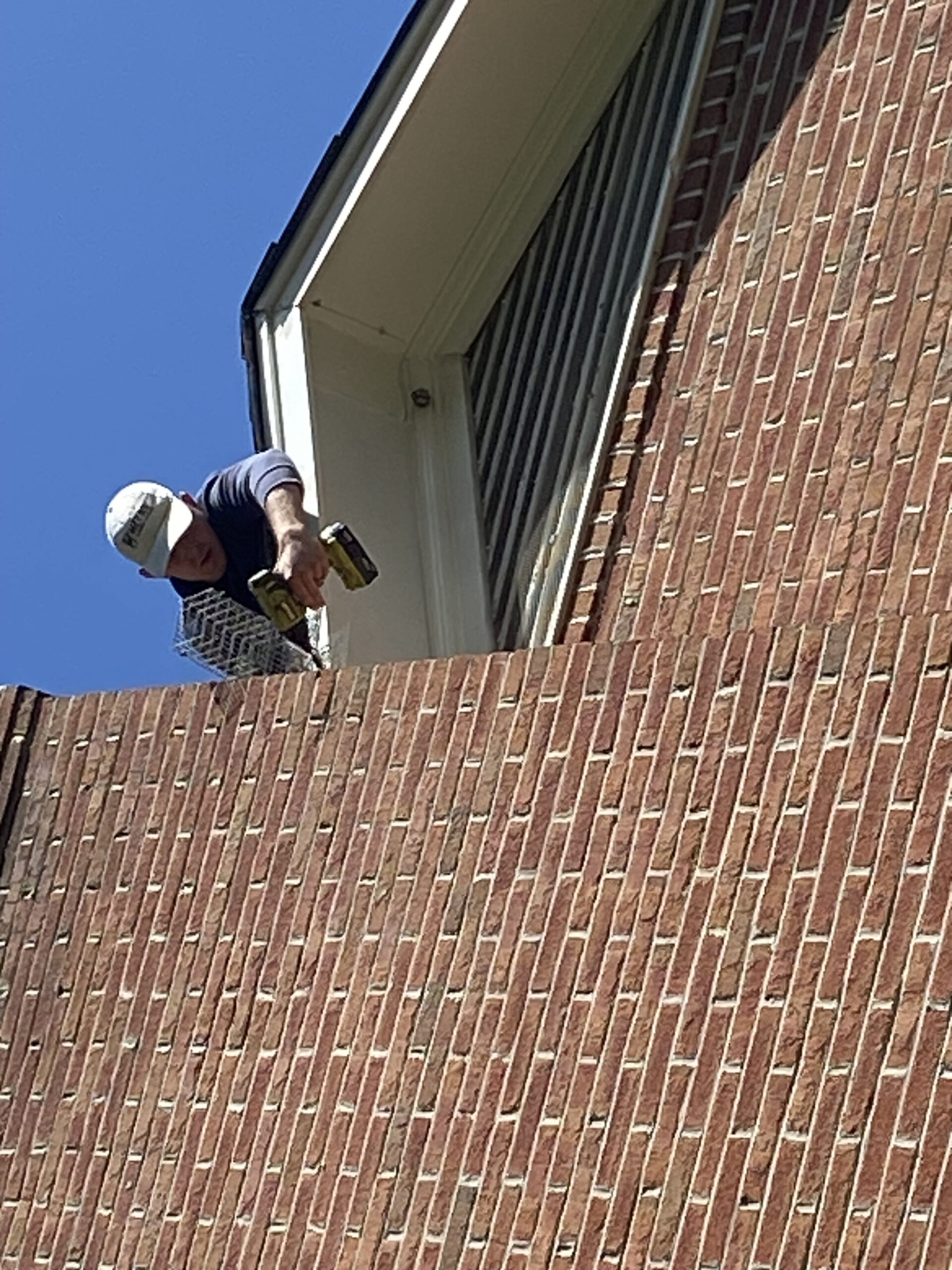
- Ask for a building inspection before assuming the visible gap is the only route inside.
For a Hilton Head home that is occupied only part of the time, give the inspector the dates when activity was noticed and when the home was last checked. A quiet period while nobody is there is not evidence that treatment worked. Describe observations without estimating a rat count from a sound or smell alone.
How will you know the rat-control plan is working?
Ask what evidence the professional will use to assess progress, what you should report between visits and which repairs are included. Useful questions are more specific than “Will this smell keep them away?”
- What supports the identification of rats rather than another animal?
- Which accessible areas and possible entry routes were inspected?
- What control method and exclusion work are recommended for this property?
- How will ongoing activity be checked, and who is responsible for the next step?
- Does the estimate include cleanup or affected insulation, or are those separate recommendations?
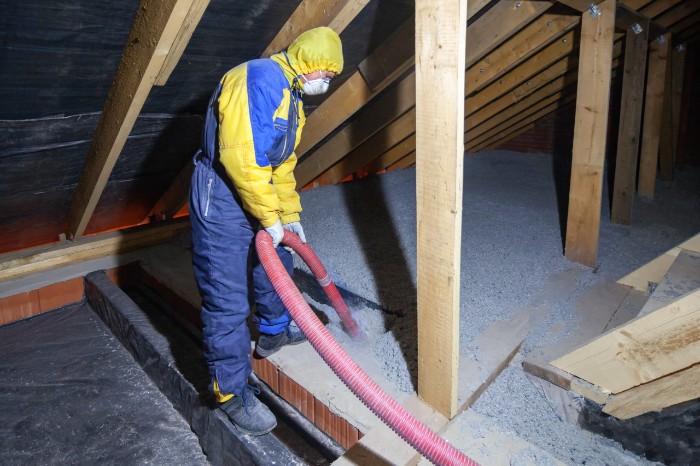
Cleanup is a separate question from whether a repellent worked. Do not sweep or vacuum rodent droppings or nesting material; the CDC warns that this can put contaminated particles into the air. Do not enter an attic or disturb insulation just to collect evidence. Tell the inspector where you noticed a problem and let the assessment guide the scope.
Rat inspection in Charleston and Hilton Head
If scents have not stopped the activity, the next step is not a stronger fragrance. It is a property-specific plan that addresses the animals and how they reach the building. Metro’s Hilton Head rat removal service and Charleston rat service can help you discuss inspection and recommended control work. Call (843) 501-1966 for current availability, and have the agreed services explained in your written estimate.