
Where Wildlife Gets Into a Home: An Inspection Guide
An animal problem often starts with a building detail: a damaged vent, an open joint or a gap around a service line. A useful inspection connects that opening with evidence of activity. It also checks whether animals may still be inside before repairs begin.
Use this guide to prepare questions for an inspection. Keep observations at ground level or in normally occupied areas. Leave roof access, attic and crawlspace entry, animal handling and contaminated-material work to the appropriate professionals.
Five areas worth flagging for the inspector
1. Roof edges, soffits and fascia
The soffit is the underside of a roof overhang; fascia is the board along its outer edge. From the ground, note loose panels, visible openings, damaged edges or a place where an animal repeatedly disappears. A photograph showing the surrounding roofline is often more useful than a close-up alone.
2. Vents and their surrounding frames
Flag a missing cover, damaged screen or opening around a vent frame. Ask which defects could allow animal access and how a proposed repair will preserve the vent’s intended function. Do not cover a working vent to test whether noises stop.
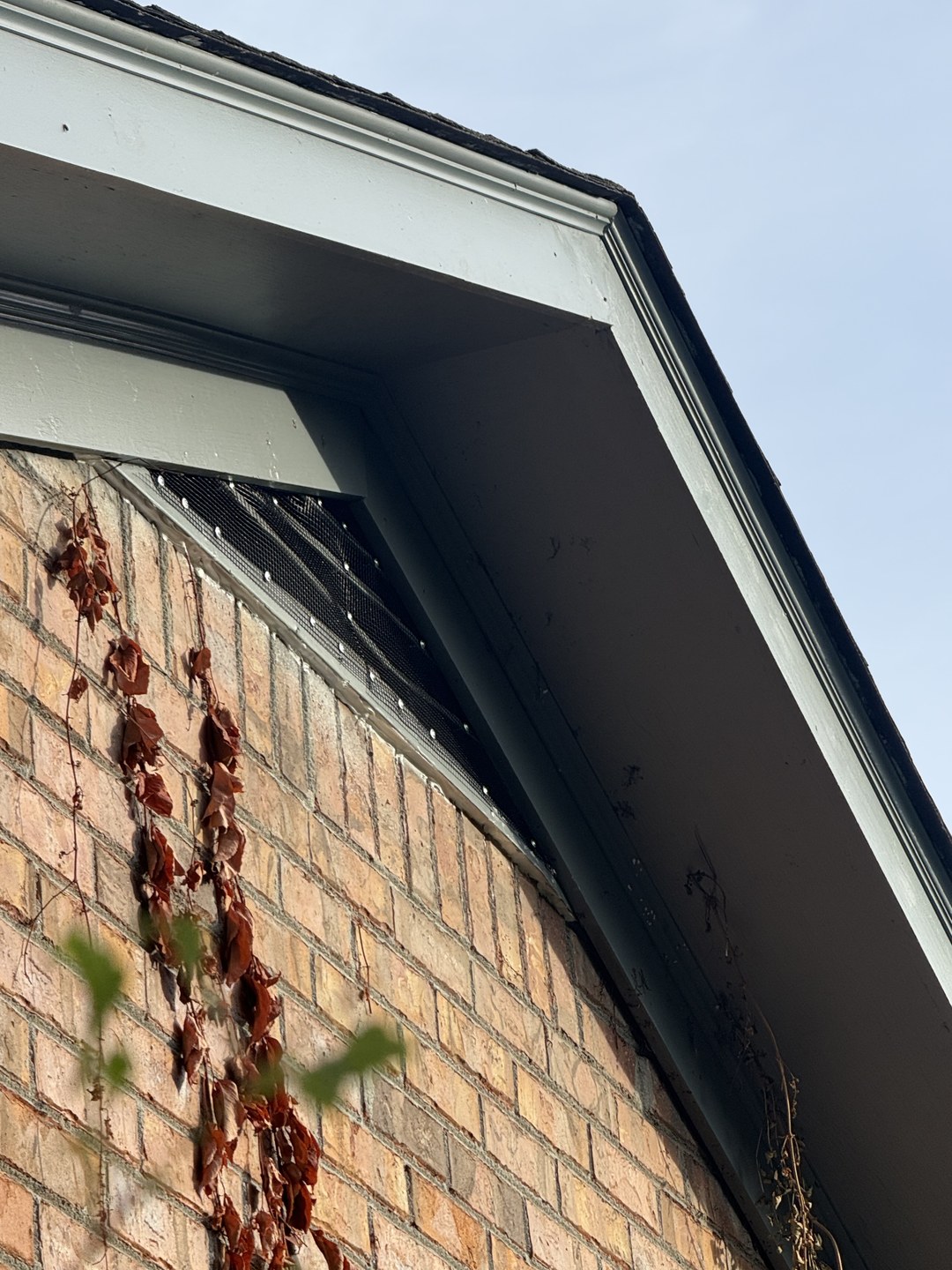
3. Roof-to-wall and chimney junctions
Where building surfaces meet, small gaps can be difficult to judge from below. Note the location rather than trying to measure it yourself. Ask whether these junctions were visible during the inspection and whether any areas need another access method or a separate trade.
4. Utility penetrations and wall openings
Record visible gaps where pipes or cables enter exterior walls. Rats can use openings at more than one height, so a check limited to the foundation can miss possible routes. Do not touch electrical equipment, move service lines or insert materials around them.
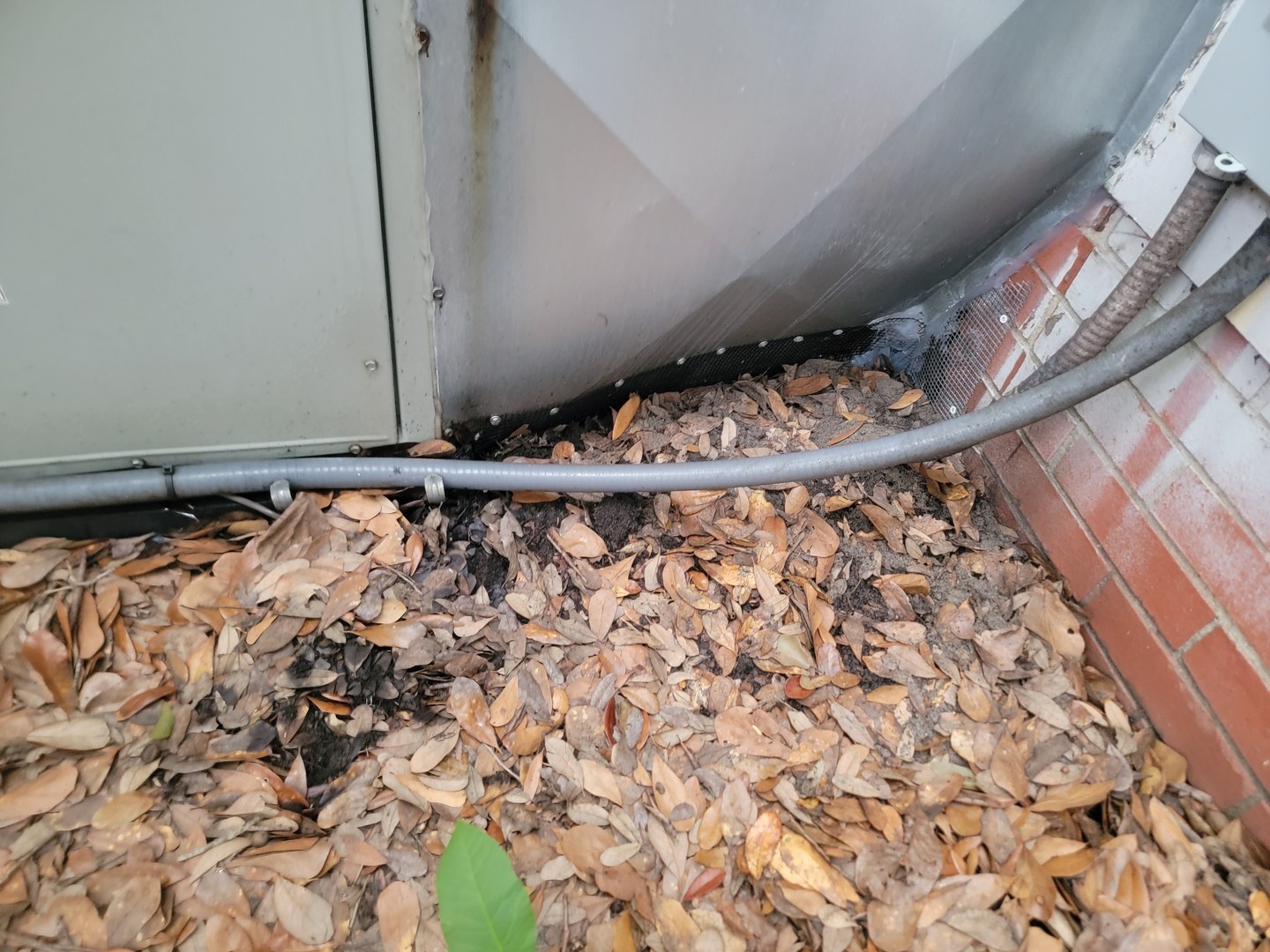
5. Crawlspace access and lower openings
From outside, note a damaged access door, an opening beside its frame or a loose foundation-vent cover. Let the inspector determine whether these connect to the reported activity. An opening is a finding to assess, not proof of a particular animal.
What the signs can tell you
Squirrels
Squirrels can gnaw building materials and enlarge openings. A damaged roof edge or repeated movement into a gap is worth documenting. Sound alone does not establish the species or the number of animals present. Ask how the inspection will address the possibility of animals or dependent young remaining inside.
Learn about Metro’s squirrel removal service.
Rats
Gnawing, droppings and recurring activity can help guide an inspection. Roof rats are capable climbers, so possible access above ground level matters alongside lower openings. Record where signs were seen without handling droppings or disturbing nesting material.
Learn about Metro’s rat removal service.
Bats
Bats can use existing gaps in buildings. An inspector needs to assess the entry routes and whether exclusion is appropriate at that time. Dependent young, weather and species considerations can affect the plan. Do not assume an opening can be closed simply because you saw bats leave.
Do not handle a bat. If someone may have had contact with one, contact a healthcare professional or public health department promptly; wildlife service does not replace an exposure assessment.
Learn about Metro’s bat removal service in Charleston.
Lawn moles
Raised surface runs or soil mounds belong in a separate lawn assessment. Moles feed on earthworms and other small soil animals; voles feed on plant material. Lawn damage should be identified before choosing a service. Building-entry repairs do not address a mole’s underground activity.
Learn about Metro’s paid mole trapping and population-control service. This standardized service does not guarantee a catch or prevent future mole activity.
Before the inspection: a short observation log
- Write down when you first noticed the issue and the most recent occurrence.
- Describe the location clearly: for example, “above the front bedroom” or “rear corner beside the downspout.”
- Record the time of day and whether the activity repeats.
- Take a photo from an accessible location, including a wider view for context.
- List recent roof, siding, vent or utility work near the area.
- Keep previous wildlife estimates, repair records and warranty documents available.
Questions to ask before an opening is repaired
- What evidence connects this opening to the current problem?
- Which areas were inspected, and which could not be accessed?
- How will animals still inside be addressed before final closure?
- Which entry repairs are included, and what work needs a separate contractor?
- Are removal, exclusion and cleanup separate parts of the estimate?
- What follow-up is included, and what does any paid warranty service cover?
Read about wildlife exclusion. Buying or managing a property? Use our inspection checklist to keep records and responsibilities together.
Arrange the right service
Metro offers free animal-in-structure inspections in its Charleston, Myrtle Beach, Hilton Head and Columbia service areas. Your written estimate sets out the applicable removal, exclusion, entry repairs, cleanup and warranty scope. Warranty availability, coverage and any charges depend on the service purchased and its written terms.
Call (843) 501-1966 to discuss the issue. For lawn moles, ask about the separate paid trapping and population-control service.